
PEDAL Out & About: Summer 2026
PEDAL PhD candidate Yuanrong Wang presented at the American Educational Research Association’s annual meeting (AERA 2026) in April with a paper titled Fostering Learners’ Creativity in Human-AI Collaboration: A Review of Instructional Strategies and the Effects of Generative AI. At the International Attachment Conference (IAC 2026) in July, PEDAL team members contributed to several symposiums. […]
New report: Examining the implications of GenAI toys for young children
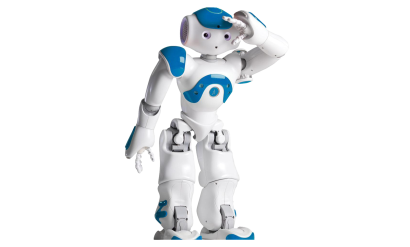
The first systematic study of how generative AI toys affect young children was published in March 2026. Commissioned by the children’s poverty charity, The Childhood Trust, the research focused on children from areas with high levels of socio-economic disadvantage. The year-long project, conducted by PEDAL researchers Dr Emily Goodacre and Professor Jenny Gibson, included structured […]
New article on home-based parenting intervention to reduce behavioural problems in young children
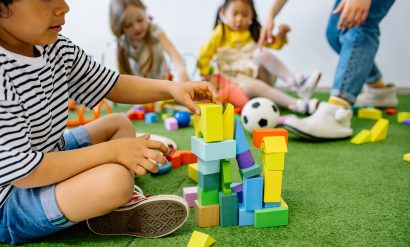
The long-term findings of our Healthy Start, Happy Start study were published in September 2025 in a paper for the Journal Of Child Psychology and Psychiatry. Behaviour problems are common in childhood and are associated with higher rates of mental health problems, educational and relationship difficulties throughout life. This study assessed whether a Video-feedback Intervention […]

New report: Play in the face of adversity
Today, we published a new report on the importance of play for children in the asylum-seeking system, particularly those living in hotel-type accommodation. The report was commissioned by the office of the Scottish Children and Young People’s Commissioner to inform their new Human Rights Analysis Report on Placing Children in Hotel-Type Accommodation. The Children’s Commissioner’s report describes […]
Play in Hospital Week 2023
During my years working as a paediatrician, I was always curious about how children experienced their illnesses and the hospital environment. I immersed myself in the field of medical anthropology, learning about cultural and social factors that shape those healthcare experiences, and I became very interested in chronically ill children. Eventually, without a clear plan, […]

New article on diversity in autistic play
A new study published this month, by PEDAL researchers Emma Pritchard-Rowe and Professor Jenny Gibson, and colleagues Carmen de Lemos and Katie Howard, highlights the importance of centering autistic people’s perspectives when it comes to understanding how autistic people play. Existing research on autistic play has typically focused on ‘deficits’ in autistic people’s play, […]

‘Play to Heal’: A Visiting Student Researcher Perspective on Play and Health
In this article, visiting student Cate Schultz from the Univeristy of North Carolina at Chapel Hill reflects on her internship in PEDAL. The UN declared in 1989 children’s right to play “a fundamental human right for all children” (UN, 1989). For children, “play is not a luxury, play is a necessity” (Dianne). Despite rising […]

Infant Mental Health Awareness Week: How can we help little minds thrive?
It’s Infant Mental Health Awareness Week. At PEDAL, we are committed to conducting research that makes a difference to the lives of children and families right from the start. Our Helping Little Minds Thrive project is focused on the wellbeing of babies, young children, and their caregivers. Helping Little Minds Thrive aims to provide the […]
It’s Mental Health Awareness Week: But what do we mean by mental health?
This week is Mental Health Awareness Week and a range of events and activities are taking place to increase understanding of mental health, address stigma and campaign for change. Many people will use the term mental health without pausing to consider what they really mean by it. The same words can often mean different things […]