Category: Autism & Neurodiversity
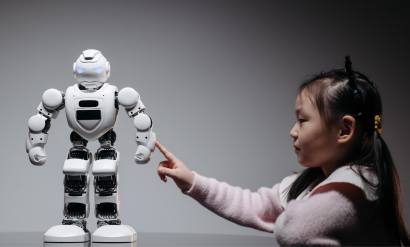
Project Report: AI in the Early Years
25 March 2026
The rapid rise of Generative Artificial Intelligence (GenAI) means we are now seeing GenAI designed and marketed for direct use by young children through toys. This report details research findings from our AI in the Early Years project, which aimed to provide a scientific basis for identifying the impacts, risks, and opportunities of GenAI toys […]

Explorando el bienestar de los niños y las niñas autistas en Medellín
25 March 2026
Si tienes diagnóstico de autismo o eres familiar de alguien con este diagnóstico en Medellín, ¡esta invitación es para ti! En Colombia, aún sabemos poco sobre cómo se vive el autismo en el día a día. Muchas de las investigaciones provienen de otros países y no reflejan la realidad colombiana. Por eso, hoy queremos escuchar […]

Communication with friends and non-friend peers: an examination of dyadic connectedness across two play contexts
26 February 2026
This study examines the extent to which children’s connectedness is influenced by interaction context and friendship status. Research findings show that although friends engaged in similar rates of connected talk across two contexts, non-friends engaged in more connected talk during goal-directed drawing when compared to free-play. It is therefore important to focus on both context […]
Supporting play for neurodivergent children
5 December 2023
In this PEDAL Conference 2023 recording, we hear from Kerry Murphy (Goldsmiths, University of London) and Dr Gina Gomez de la Cuesta and Abi Dodson (Play Included) share their expertise on play and its significance in diverse child development.

Diversity in autistic play: Autistic adults’ experiences
12 September 2023
In this research, we take a neurodiversity-informed approach to understanding autistic play. This means understanding autistic play in terms of differences, strengths and difficulties rather than simply deficits. We also focus on what autistic people say about their play. We were interested in how autistic adults experience play, as well as how they think their play is different to non-autistic play.
INSAR 2023: Professionals’ perspectives on strengths-based autism diagnostic assessment
6 May 2023
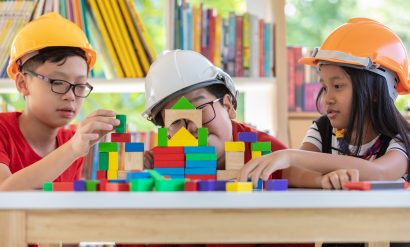
Neurodiversity-informed approaches enable us to move away from simply understanding autism in terms of difficulties. In this video, PEDAL PhD student Emma Pritchard-Rowe presents a summary of her research on professionals’ perspectives of holistic, strengths-based approaches to diagnostic assessment – which can have a positive impact on autistic people’s wellbeing and enhance the support available […]
INSAR 2023: Autistic adults’ perspectives and experiences of play-based assessments
5 May 2023
Neurodiversity-informed & strengths-based approaches can help enrich our understanding of autistic play and the diverse array of strengths that autistic people have. In this video, PEDAL PhD student Emma Pritchard-Rowe presents a summary of her research on autistic adults’ experiences of play-based assessments. This poster was originally presented at the International Society for Autism Research […]
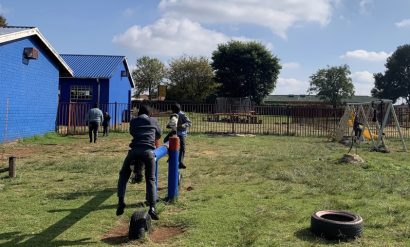
Play in South African autism schools: why are formalised ethical processes important?
3 May 2023
Why are culturally sensitive approaches to research ethics so important?

ITAKOM Conference 2023: Moving towards a strengths-based approach to autism diagnostic assessment
16 March 2023
Neurodiversity-informed approaches enable us to move away from simply understanding autism in terms of difficulties. In this video, PEDAL PhD student Emma Pritchard-Rowe presents a summary of her research on holistic, strengths-based approaches to diagnostic assessment which centre autistic voices & have a positive impact on autistic people’s wellbeing and self-esteem. This poster was originally […]

Using LEGO Bricks to Support Social and Emotional Wellbeing in Neurodivergent Children
8 September 2022
Play Included is a social enterprise on a mission to create effective play-based development programmes for children – empowering professionals, enabling parents and families and building community. In this presentation, Dr Gina Gomez de la Cuesta introduces the Brick-by-Brick® programme, which provides opportunities for neurodivergent children to develop their social and emotional skills through collaborative […]