
Category: Journal Article
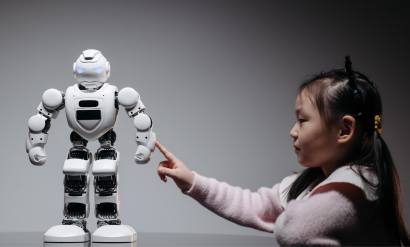
Project Report: AI in the Early Years
25 March 2026
The rapid rise of Generative Artificial Intelligence (GenAI) means we are now seeing GenAI designed and marketed for direct use by young children through toys. This report details research findings from our AI in the Early Years project, which aimed to provide a scientific basis for identifying the impacts, risks, and opportunities of GenAI toys […]

Explorando el bienestar de los niños y las niñas autistas en Medellín
25 March 2026
Si tienes diagnóstico de autismo o eres familiar de alguien con este diagnóstico en Medellín, ¡esta invitación es para ti! En Colombia, aún sabemos poco sobre cómo se vive el autismo en el día a día. Muchas de las investigaciones provienen de otros países y no reflejan la realidad colombiana. Por eso, hoy queremos escuchar […]

Communication with friends and non-friend peers: an examination of dyadic connectedness across two play contexts
26 February 2026
This study examines the extent to which children’s connectedness is influenced by interaction context and friendship status. Research findings show that although friends engaged in similar rates of connected talk across two contexts, non-friends engaged in more connected talk during goal-directed drawing when compared to free-play. It is therefore important to focus on both context […]
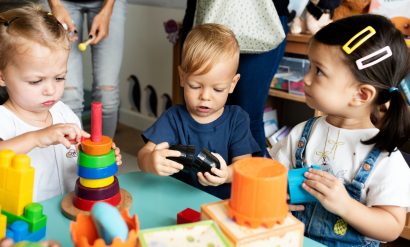
Innovative methods to centre children in research: Celebrating 10 years of play with the PEDAL Research Centre
12 November 2025
This paper was published by International Journal of Play in October 2025.
Long-term follow-up of a randomised controlled trial of a brief home-based parenting intervention to reduce behavioural problems in young children
8 October 2025
The long-term findings of our Healthy Start, Happy Start study have been published in a paper for the Journal Of Child Psychology And Psychiatry.

A scoping review of teacher training programs to promote learning through play in pre- and primary schools
1 October 2025
This paper was published by the Journal of Early Childhood Teacher Education in September 2025.
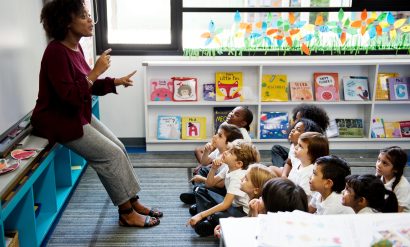
Understanding how certain personality traits impact children’s enjoyment of school and teachers’ perceptions of children’s behaviour
25 September 2025
Read a summary of this recent paper published by Emotional and Behavioural Difficulties which used data from the Healthy Start, Happy Start study.
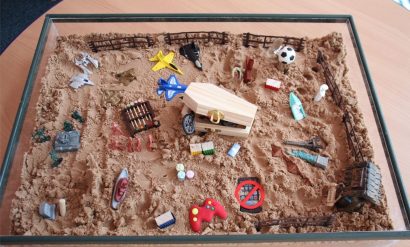
Trusting play to be meaningful data: using sand tray as a play-based research method with an adapted interpretative phenomenological analysis
27 March 2025
PEDAL PhD student Sydney Conroy explores using play itself as data for the purpose of research.
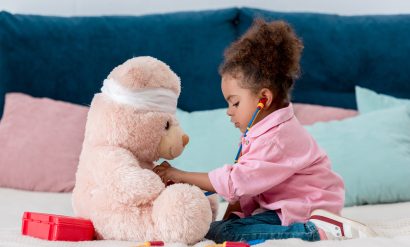
Fostering the psychological wellbeing of children diagnosed with cancer: Multidisciplinary insights in paediatric oncology
18 February 2025
PEDAL PhD student Paulina Perez-Duarte Mendiola contributed to this paper which was published last month in the Psycho-oncology section of Frontiers in Psychology.
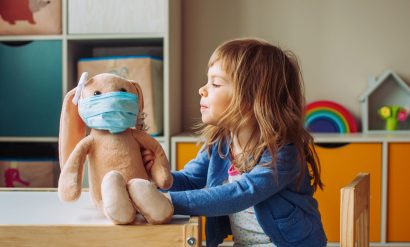
It’s a Pandemic in the Playborhood: An International Perspective of Play Therapists on the COVID-19 Pandemic
7 January 2025
The COVID-19 pandemic, lockdowns and beyond, impacted many professions and workplaces, including therapists and their therapy rooms.